
Common Health Problems in Hriyur and How to Manage Them
Introduction:
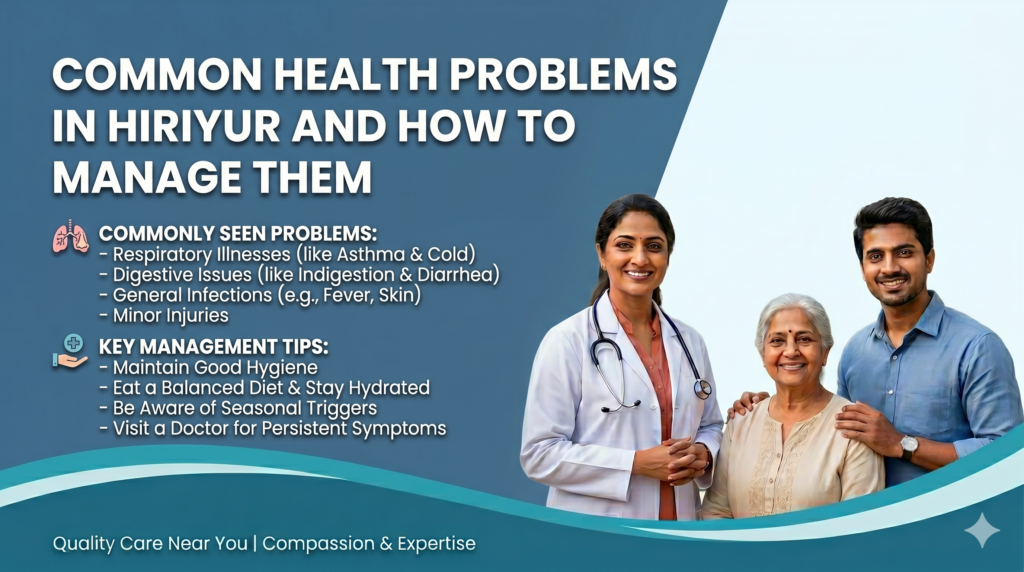
Health is one of the most important aspects of human life, yet many communities continue to face preventable and manageable health issues due to lack of awareness, environmental conditions, and lifestyle changes.
Hiriyur, a taluka headquarter in Chitradurga district of Karnataka, sits in the semi-arid Deccan plateau — a land of red laterite soil, seasonal rains, and a predominantly agrarian community. Like many towns in interior Karnataka, Hiriyur’s residents face a dual health burden: the persistence of infectious, vector-borne, and waterborne diseases on one hand, and the slow but steady rise of lifestyle diseases on the other. Agricultural workers face occupational hazards; children remain vulnerable to preventable infections; and the elderly increasingly deal with chronic conditions requiring long-term management.
This blog discusses ten common health problems observed in Hriyur, along with their causes, symptoms, treatment, and prevention in a simple and practical way.
1. Fever and Seasonal Viral Infections

Fever is one of the most frequently reported health problems in Hriyur, especially during monsoon and seasonal transitions. It is usually a symptom of infections such as viral flu, dengue, or malaria.
The main causes include viruses, mosquito-borne infections, and bacterial illnesses. During rainy seasons, stagnant water becomes a breeding ground for mosquitoes, increasing the risk of diseases like dengue and malaria.
Common symptoms: include high body temperature, body pain, headache, chills, and fatigue. In some cases, patients may also experience nausea or rashes.
Treatment : they should mainly focus on rest and hydration. Drinking plenty of fluids like water, coconut water, and oral rehydration solutions is essential. Paracetamol can be used to reduce fever, but antibiotics should only be taken if prescribed by a doctor. If fever persists beyond two or three days, medical consultation is necessary.
Preventive measures include maintaining cleanliness, avoiding stagnant water, and using mosquito repellents or nets.
2. Respiratory Diseases (Asthma & COPD)

Respiratory diseases — particularly asthma and Chronic Obstructive Pulmonary Disease (COPD) — are a growing concern in Hiriyur. Agricultural workers are exposed to dust, crop residue smoke from field burning, and grain storage dust; construction workers inhale silica and cement dust; and urban residents breathe in vehicle exhaust and road dust. The prevalence of COPD in urban Karnataka, including smaller towns, is estimated at around 5% among adults CareInsurance, with rural exposure to biomass cooking fuels(wood fires, cow dung cakes) adding a major indoor air pollution burden — disproportionately affecting women who cook over traditional chulhas.
Symptoms of Asthma: Recurring episodes of wheezing, shortness of breath, chest tightness, and coughing — especially at night or early morning — triggered by dust, smoke, pollen, or cold air.
Symptoms of COPD: Chronic cough with mucus production, persistent breathlessness during activity, frequent respiratory infections, and wheezing.
Treatment: Asthma is managed with inhalers — bronchodilators (blue inhaler) for immediate relief and corticosteroid inhalers for long-term control. COPD management involves bronchodilator inhalers, pulmonary rehabilitation, and quitting smoking. Severe episodes require hospitalisation and nebulisation.
Prevention: Avoid smoking and tobacco in all forms, switch from biomass cooking fuels to LPG where possible, wear N95 masks when working in dusty environments, keep indoors well-ventilated, and identify and avoid personal asthma triggers
3. Waterborne Diseases (Diarrhea and Typhoid)
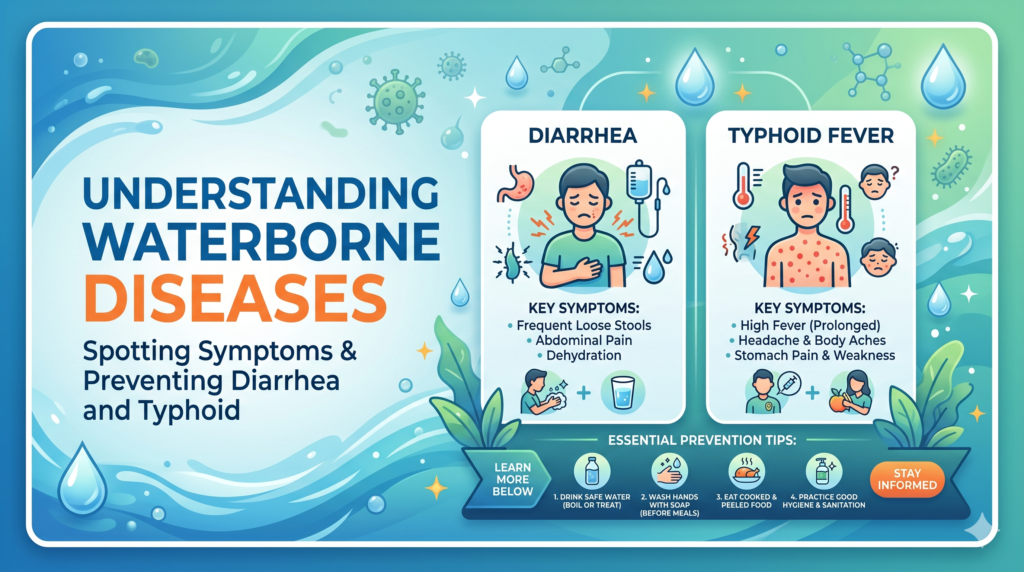
Waterborne diseases remain a significant concern in areas where access to clean drinking water is limited. Contaminated water and poor sanitation are the main causes. Diseases such as diarrhea, typhoid, and cholera spread through unsafe water and unhygienic food practices. These conditions are more common during summer and monsoon seasons.
Symptoms: include loose motions, vomiting, stomach pain, dehydration, and fever (in typhoid cases). Severe dehydration can be life-threatening, especially for children and elderly individuals.
Treatment: focuses on rehydration using oral rehydration salts (ORS). Light foods such as rice, curd, and bananas are recommended. In cases like typhoid, antibiotics are required under medical supervision.
Prevention: includes drinking boiled or filtered water, washing hands regularly, and maintaining proper sanitation.
4. Malnutrition
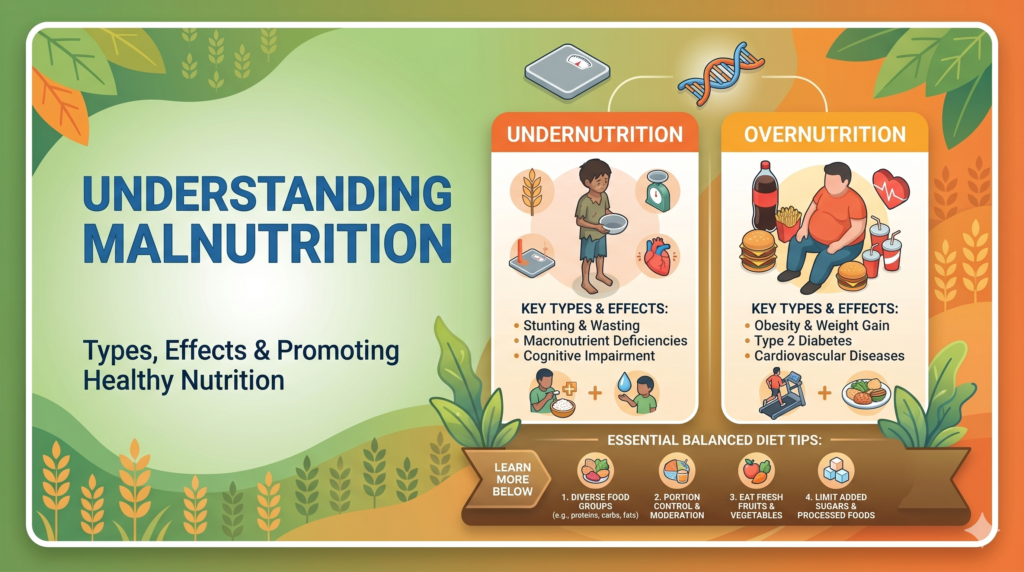
Malnutrition is still observed in some households, particularly among children and low-income families. It results from inadequate intake of essential nutrients.
The main causes include lack of awareness about balanced diets, poverty, and irregular food intake. Sometimes, even when food is available, it may lack nutritional value.
Symptoms of malnutrition include weakness, low body weight, delayed growth in children, and frequent infections due to weak immunity.
Treatment involves improving dietary habits by including a balanced mix of carbohydrates, proteins, fats, vitamins, and minerals. Foods like rice, pulses, vegetables, milk, and eggs should be part of daily meals.
Government programs such as mid-day meals and anganwadi services can help address this issue.
Prevention: requires awareness about proper nutrition and regular health monitoring.
5. Diabetes

Diabetes is becoming increasingly common even in smaller towns like Hriyur due to changing lifestyles and dietary habits.
It occurs when the body cannot properly regulate blood sugar levels. Causes include high sugar intake, obesity, lack of physical activity, and genetic factors.
Symptoms : frequent urination, excessive thirst, fatigue, blurred vision, and slow healing of wounds.
Treatment : it involves lifestyle modifications such as reducing sugar intake, eating a balanced diet, and exercising regularly. Patients may also require medication or insulin therapy as prescribed by doctors.
If left unmanaged, diabetes can lead to complications such as kidney damage, nerve problems, and heart disease. Regular monitoring is essential for effective control.
Preventing Diabetes Mellitus: involves adopting a healthy lifestyle that keeps blood sugar levels under control. Regular physical activity such as Walking or Cycling helps improve insulin sensitivity, while maintaining a balanced diet rich in whole grains, fruits, vegetables, and low in sugar and processed foods supports stable glucose levels. Maintaining a healthy weight, staying hydrated, getting enough sleep, and managing stress are also important factors. Additionally, avoiding smoking and limiting alcohol intake can further reduce the risk of developing Type 2 Diabetes.
6. Tuberculosis (TB):

Tuberculosis remains one of India’s most persistent public health challenges, and Karnataka is no exception. According to the India Tuberculosis Report 2023, Karnataka recorded over 80,000 TB cases, with a substantial share coming from smaller towns and taluka centres. CareInsurance In a taluka like Hiriyur, TB disproportionately affects agricultural labourers and daily-wage workers living in poorly ventilated households. The bacterium
Mycobacterium tuberculosis spreads through airborne droplets when an infected person coughs or sneezes.
TB is often mistaken for a prolonged cough or general weakness, leading to delayed diagnosis and continued community transmission. The good news is that TB is completely curable with the government’s free DOTS (Directly Observed Treatment, Short-course) therapy, available at all PHCs and the Taluk Hospital in Hiriyur. Incomplete treatment, however, can lead to drug-resistant TB — far harder and more expensive to treat. Symptoms: A persistent cough lasting more than two weeks, coughing up blood or blood-streaked sputum, night sweats, unexplained weight loss, low-grade evening fever, and extreme fatigue.
Treatment: A sputum test and chest X-ray confirm the diagnosis. Free DOTS therapy involves a 6-month course of antibiotics — every dose must be taken without fail. Under the Nikshay Poshan Yojana, TB patients receive ₹500 per month for nutritional support. The patient’s room should be well-ventilated and some isolation practised during the infectious phase.
Prevention: Ensure BCG vaccination for all newborns, improve home ventilation by keeping windows open, cover the mouth and nose when coughing, avoid spitting in public, and screen all household contacts of a confirmed TB patient.
7. Skin Infections & Fungal Diseases:
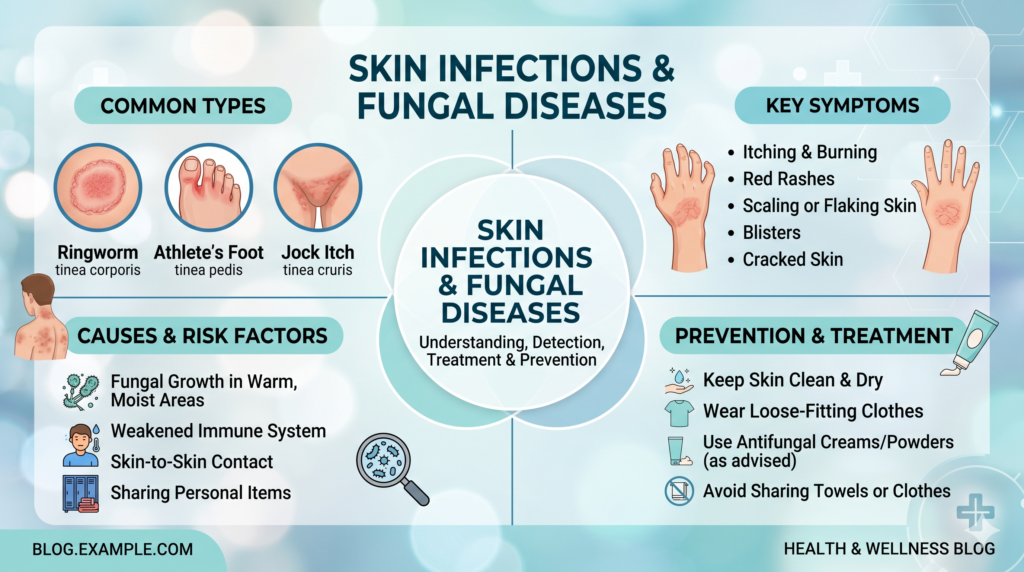
Hiriyur’s hot, humid climate during the monsoon season — combined with heavy manual labour, limited access to clean water for bathing, and shared clothing or bedding in households — makes skin infections extremely common. Fungal infections (ringworm, athlete’s foot, candidiasis), bacterial infections (impetigo, boils), and scabies (caused by mites) are frequently seen across all age groups.
Among outpatient cases related to water, sanitation, and hygiene issues in India, skin infections rank among the highest in prevalence ScienceDirect, second only to diarrhoea. In children who play outdoors in mud and soil, fungal ringworm infections on the scalp (tinea capitis) are particularly widespread and can spread rapidly through schools and households.
Symptoms: Red, itchy, circular rashes (ringworm), cracked and peeling skin between toes (athlete’s foot), pus-filled boils or crusty sores (bacterial infections), and intense night-time itching with burrow-like tracks between fingers (scabies).
Treatment: Antifungal creams (clotrimazole, miconazole) for fungal infections — applied for at least 2–4 weeks even after the rash clears. Antibiotic creams or oral antibiotics (as prescribed) for bacterial infections. Scabies is treated with permethrin cream applied to the entire body and left overnight; all household members must be treated simultaneously and bedding washed in hot water.
Prevention: Bathe daily, wear clean and dry clothing, avoid sharing towels or undergarments, keep the skin dry especially in skin folds, wash and dry feet thoroughly after working in fields, and treat all household members together when scabies is diagnosed to prevent re-infection.
8.Anaemia & Nutritional Deficiencies
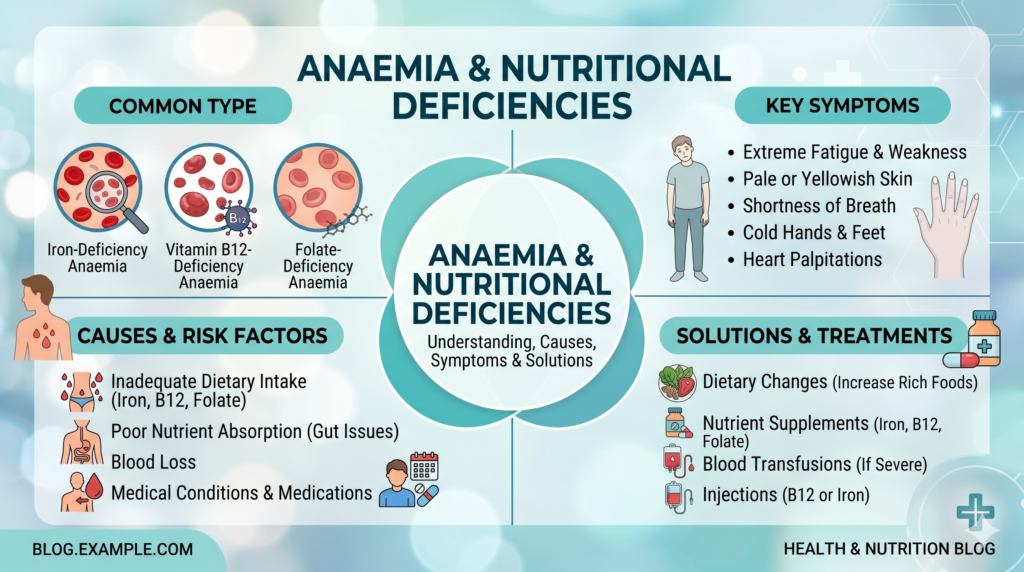
Anaemia — a condition where the blood lacks sufficient healthy red blood cells — is extraordinarily common in Hiriyur, as it is across much of rural Karnataka. Iron-deficiency anaemia is the most prevalent type, affecting women of reproductive age, pregnant women, and young children most severely. Inadequate dietary intake of iron-rich foods, combined with intestinal worm infestations that cause blood loss, and repeated pregnancies without nutritional supplementation, are the primary drivers.
Beyond iron, deficiencies in Vitamin B12 (common in vegetarian populations), Vitamin D (despite sunny conditions, many women avoid sun exposure), iodine, and calcium are widely prevalent but underdiagnosed. Malnutrition in young children — including stunting and wasting — continues to be a concern in the villages surrounding Hiriyur.
Symptoms: Persistent fatigue and weakness, pale skin, pale inner eyelids and gums, dizziness upon standing, shortness of breath during mild activity, brittle nails, frequent headaches, and in severe cases, a rapid or irregular heartbeat.
Treatment: Iron and folic acid tablets (IFA tablets) are distributed free of charge under government programs at all Anganwadis and PHCs in Hiriyur — pregnant women and adolescent girls should take them regularly. Dietary changes are equally important. Deworming tablets (albendazole) should be taken every six months, as worms significantly worsen iron-deficiency anaemia. Severe anaemia may require injectable iron or blood transfusion.
Prevention:Eat iron-rich foods daily — ragi (finger millet, a staple of the region), dark leafy greens, horse gram, roasted groundnuts, and jaggery are all excellent local sources. Combine them with Vitamin C–rich foods like tamarind, lemon, or raw onion to enhance iron absorption. Ensure all children receive deworming medication twice yearly through school programmes.
9. Joint Pain and Arthritis

Joint pain and arthritis are commonly seen among elderly individuals and people involved in physical labor.
These conditions are caused by aging, joint wear and tear, calcium deficiency, and prolonged physical strain.
Symptoms: include pain, stiffness, swelling, and reduced movement in joints, especially knees and hands.
Treatment: includes pain relief medications, physiotherapy, and supplements like calcium and vitamin D. Gentle exercises and maintaining a healthy weight can also help reduce symptoms.
If not managed properly, joint problems can affect mobility and quality of life. Preventing joint pain and conditions like Arthritis : involves maintaining a healthy lifestyle with regular low-impact exercises such as walking, swimming, or yoga to keep joints flexible and muscles strong. Eating a balanced diet rich in calcium, vitamin D, and anti-inflammatory foods (like leafy greens, nuts, and fish) helps support joint health, while maintaining a healthy weight reduces stress on joints, especially knees and hips. It’s also important to avoid prolonged sitting, practice good posture, stay hydrated, and protect joints from injury by using proper techniques during physical activities.
9. Hypertension (High Blood Pressure)
Hypertension often develops without any obvious symptoms, earning it the name “the silent killer.” In Bangalore alone, 21% of people suffer from high blood pressure Indus Health Plus, and patterns across smaller Karnataka towns indicate similarly rising rates. In Hiriyur, chronic stress from agricultural debt, erratic rainfall affecting livelihoods, high dietary salt intake (particularly from pickles and preserved foods common in Karnataka cuisine), and rising obesity rates all contribute to hypertension.
Left uncontrolled, hypertension dramatically increases the risk of heart attack, stroke, and kidney failure. Strokes are particularly devastating because they strike suddenly and can leave patients permanently disabled.
Symptoms: Most people with hypertension feel no symptoms. When blood pressure is very high, symptoms can include persistent headaches (especially at the back of the head), dizziness, blurred vision, chest tightness, and nosebleeds.
Treatment: A blood pressure reading above 140/90 mmHg on two separate occasions confirms hypertension. Treatment includes lifestyle changes (low-salt diet, regular exercise, stress reduction) and, when necessary, antihypertensive medications such as amlodipine, enalapril, or losartan. Blood pressure must be checked regularly — ideally monthly if on medication.
Prevention: Reduce salt in cooking, increase potassium-rich foods (bananas, leafy greens), maintain a healthy weight, exercise daily, limit alcohol, quit smoking, and practise stress management through yoga or meditation. Blood pressure checks are free at government PHCs.
10. Stress and Mental Health Issues

Mental health is often neglected but is becoming increasingly important in today’s fast-changing world.
People in Hriyur may experience stress due to financial difficulties, work pressure, or personal issues.
Symptoms include anxiety, depression, irritability, lack of sleep, and difficulty concentrating. Treatment includes talking to family or friends, practicing relaxation techniques like yoga and meditation, and seeking professional counseling if needed.
Maintaining a healthy lifestyle, staying socially connected, and engaging in hobbies can help prevent mental health problems.
Preventing stress and mental health issues: involves maintaining a balanced lifestyle that supports both body and mind. Regular physical activity, such as Yoga or walking, helps reduce stress hormones and improve mood, while a healthy diet and proper sleep
strengthen overall mental well-being. Practicing relaxation techniques like meditation, deep breathing, or mindfulness can lower anxiety and prevent conditions such as Anxiety Disorders and Depression. Staying socially connected with family and friends, managing time effectively, limiting screen time, and taking breaks from work are also essential in reducing mental strain and maintaining emotional balance.
Conclusion:
The health problems faced by people in Hriyur reflect a combination of environmental, social, and lifestyle factors. While some diseases are infectious and spread through water or air, others are linked to modern lifestyle habits and nutritional deficiencies.
The good news is that most of these conditions are preventable and manageable with simple steps. Maintaining personal hygiene, drinking clean water, eating a balanced diet, staying physically active, and seeking timely medical care can significantly reduce health risks. Awareness and education play a crucial role in improving community health. Regular health check-ups and government health programs can further support individuals in leading healthier lives.
By making small but consistent changes, individuals and families can improve their overall well-being and build a healthier future.